
20+ Years of Proven, Trusted SCADA System Integration Services in the GCC
We handle SCADA system integration end-to-end — RTUs, gateways, HMI, industrial networking, and remote monitoring across the GCC. This begins with system design and configuration and continues through onsite commissioning and ongoing support.
What Is SCADA System Integration?
SCADA — Supervisory Control and Data Acquisition — connects your field equipment to one central system. Pumps, meters, sensors, and panels all feed into a single point of monitoring and control. In practice, this functions as a remote monitoring system, giving you visibility into distributed operations without requiring on-site checks at every location.
Key benefits
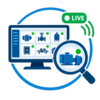
Real-time equipment visibility
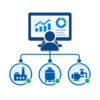
Centralized monitoring
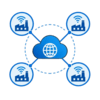
Multi-site connectivity

Faster response to issues
Our SCADA Integration Capabilities
RTU & Gateway Integration
Connecting field devices across remote, hard-to-reach sites.
SCADA & HMI System Setup
Clear, well-designed operator screens tied into one centralised view.
Real-Time Data Acquisition (DAQ)
Real-time equipment data, collected and transmitted where it’s needed.
Industrial Network Integration
The network layer that keeps every device connected reliably.
Wireless Sensor Integration
For points that are difficult or costly to wire, wireless keeps them connected.
Commissioning, Training & Support
We deploy, test, train your team, and then provide ongoing support.
Why Choose Startech for SCADA Integration?
Startech brings together industrial IT, automation, networking, and hands-on technical support to deliver SCADA integration tailored to your project’s real needs. As an experienced industrial automation system integrator serving the GCC, Startech works with your existing hardware rather than requiring a complete system rebuild.

20+ Years of Experience
Two decades of proven industrial IT and automation expertise

Advantech Premier Partner
Direct access to established, trusted industrial technology.

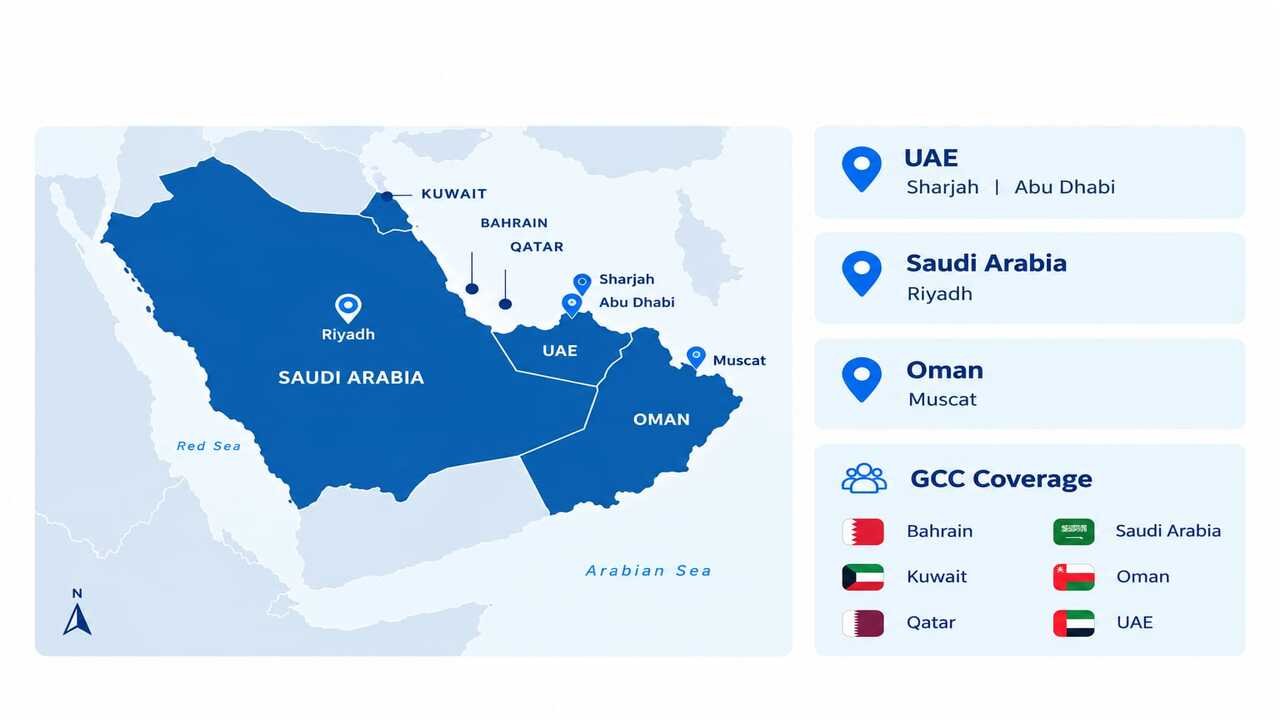
GCC-Wide Regional Support
Reliable coverage across the UAE, Saudi Arabia, and Oman.
End-to-End Integration
Design, commissioning, and support — one partner, start to finish.

Onsite Technical Support
Hands-on assistance with deployment and commissioning.
Industrial Networking Expertise
Reliable connectivity for demanding industrial environments.
SCADA Integration Services Across the GCC
No matter where your sites are, our SCADA integration and remote monitoring solutions connect your equipment and operational data to a centralised dashboard.
SCADA Integration Solutions by Industry

Water & Wastewater
Remote monitoring across pumps, treatment plants, and distributed water networks.
Oil & Gas Operations
Connected monitoring for environmental and process applications across facilities.

Power & Energy Systems
Centralised monitoring of interconnected power-sector equipment and infrastructure.
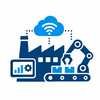
Smart Factory Automation
Connected shop-floor systems that share operational data in real time across every facility.
Building Management Systems
Automation for commercial and residential infrastructure.
Security & Surveillance Systems
Integrated into the wider facility network rather than isolated.
Intelligent Transportation & Smart City
IoT-based monitoring for smart city infrastructure.
Advanced Industrial Cloud Solutions
Secure data transmission from the plant floor to analytics.
Our SCADA Integration Process
Consultation & Assessment
Understanding your systems, equipment, and requirements.
System Design & Configuration
Selecting and configuring RTUs, gateways, and networks around your setup.
Installation & Commissioning
Deployed, tested, and verified on site before handover.
Ongoing Support
Training, technical assistance, expansion support, and RMA services as required.
FAQ
1. What is the difference between SCADA and a distributed control system (DCS)?
SCADA is typically used in geographically distributed, event-driven environments — pipelines, water networks, and similar wide-area applications. A DCS, by comparison, is designed for centralised, high-density process control within a single plant. Most organisations choose one or the other based on how distributed their equipment is, rather than one system being inherently superior.
2. Can legacy systems be integrated with modern SCADA software?
Yes. Gateways and protocol converters allow older serial or Modbus-based devices to connect to current SCADA platforms, so a full system replacement isn’t required to modernise monitoring.
3. What industries typically need SCADA system integration?
Any operation with equipment spread across multiple sites that needs centralised monitoring — water and wastewater utilities, oil and gas, power and energy, smart factories, and building management systems- is among the most common.
4. How does SCADA improve remote monitoring for multi-site operations?
A SCADA-based remote monitoring system consolidates data from sensors, pumps, meters, and other equipment across every site into a single dashboard. Rather than requiring on-site checks, operators can view status in real time, identify issues early, and respond faster regardless of how distributed the sites are.
5. What should businesses look for in industrial automation system integrators?
Proven experience with the hardware and protocols already in use, a clear process for design and commissioning, and support that continues after the system goes live — not just at handover. Working with an established integrator also reduces the risk of mismatched components or gaps in long-term maintenance.
Ready to Start Your SCADA System Integration Project?
Talk to our team about your SCADA, RTU, remote monitoring, or industrial networking requirements.