
What Is A Lead In Marketing A Beginner's Guide
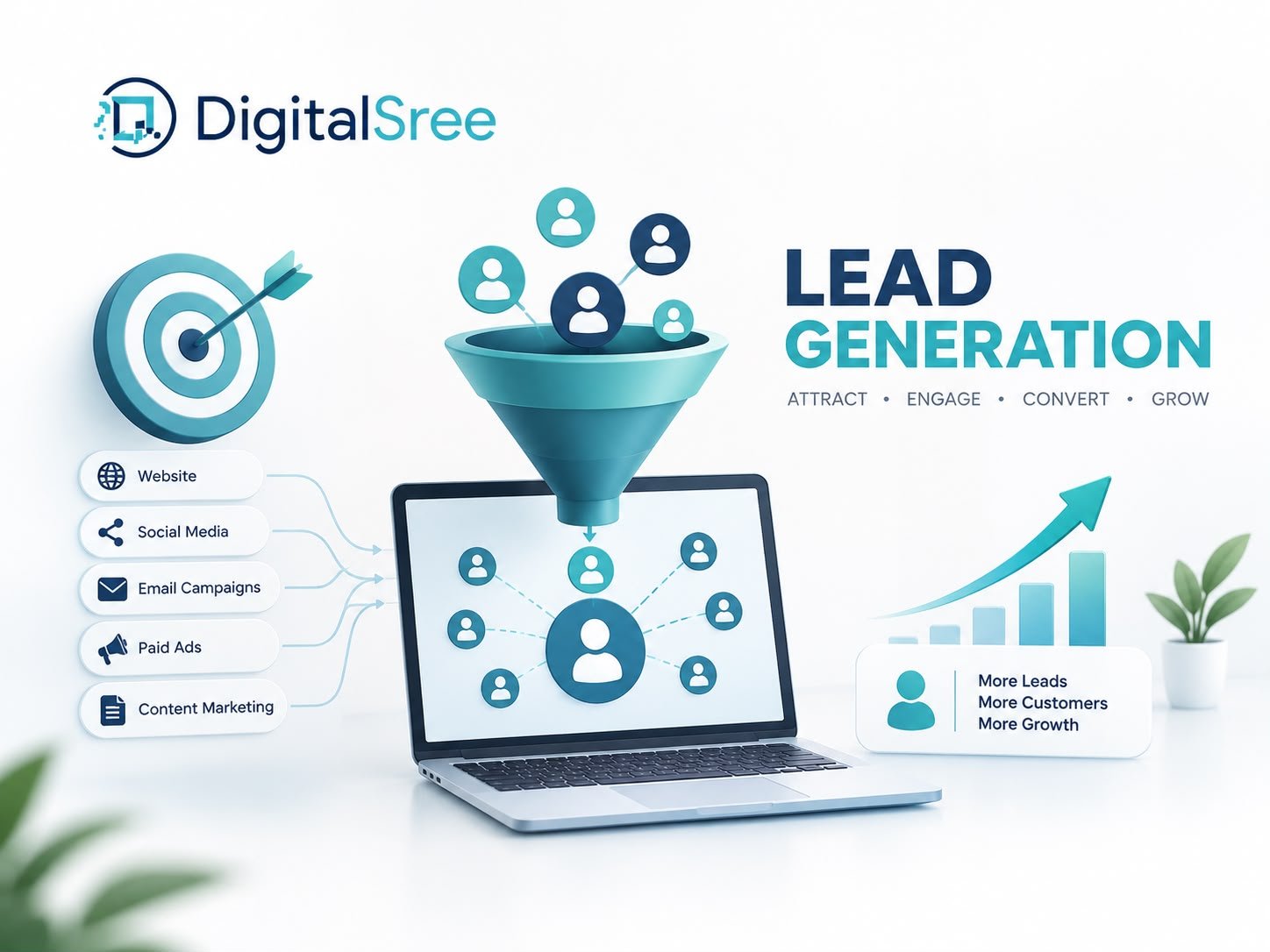
A lead is a person or business that shows interest in a product or service. This interest may be demonstrated by filling out a contact form, downloading a free guide, subscribing to an email newsletter, or requesting a product demonstration. These actions indicate that the person may be interested in learning more about what a business offers.
Lead generation is the process of attracting potential customers and encouraging them to take the next step. This may include signing up for an email list, requesting additional information, booking a consultation, or contacting a sales team. The main goal is to build relationships with potential customers and eventually turn them into paying customers.
In today’s competitive digital environment, businesses use different marketing channels to attract people who may need their products or services. Search engine optimization (SEO), content marketing, paid advertising, social media, and email marketing can all contribute to lead generation.
However, generating leads is not simply about collecting contact details. Businesses must understand their audience, provide useful information, and build trust through consistent communication. Some people may be ready to purchase immediately, while others need more time to research their options.
A well-planned lead generation strategy helps businesses reach the right audience, identify potential customers, and guide them through the buying journey. By combining useful content with effective marketing activities, companies can create more opportunities for long-term business growth.
What Is a Lead in Marketing?
In marketing, a lead is an individual or business that has shown interest in a company’s products or services. This interest may come from visiting a website, following a social media page, downloading content, or requesting information about a product.
For example, imagine someone visits a website that offers online courses and downloads a free beginner’s guide. By submitting their email address, the person gives the business an opportunity to share relevant information. This individual can be considered a lead.
Leads are valuable because they represent potential business opportunities. Instead of focusing only on reaching a large audience, businesses can identify people who have demonstrated an interest in their offerings. This allows marketers to create more relevant messages and communicate more effectively.
However, a lead is not necessarily ready to buy immediately. Some people may be comparing different products, researching prices, or trying to understand which solution best meets their needs. Others may need additional information before making a final decision.
Businesses can support these potential customers by providing educational content, answering questions, and sharing relevant product information. Over time, these activities can help build trust and encourage leads to consider a purchase.
The quality of a lead is often more important than the total number of leads generated. Reaching people who genuinely need a product or service can help businesses improve conversions and use their marketing budgets more effectively.
How Does Lead Generation Work?
sLead generation uses digital marketing activities to attract potential customers and collect contact information. Businesses reach the right audience, offer something useful, and make it easy for interested people to respond.Lead generation is the process of attracting potential customers to a business, capturing their contact information, and nurturing their interest until they are ready to make a purchase. It begins by creating brand awareness through channels like search engines, social media, content marketing, or paid advertisements.
When interested prospects visit a landing page or website, they exchange their contact details—such as name, email, or phone number—for valuable resources like free e-books, webinars, or product demos. Once captured, these leads are qualified and systematically nurtured through targeted emails and personalized content, building trust over time until they demonstrate clear buying intent and are handed over to the sales team to close the deal.
What Is integrated Digital Marketing Strategy?
An integrated digital marketing strategy is a unified plan that aligns all digital channels—such as search engine optimization (SEO), pay-per-click (PPC) advertising, social media, content marketing, and email automation—to deliver a seamless, consistent brand experience across every customer touchpoint. Rather than operating in isolated silos, each channel works synergistically to reinforce the brand’s core message, maximize reach, and guide potential customers smoothly through the buyer’s journey. By maintaining consistent messaging and centralized data tracking across all platforms, businesses can optimize their marketing budget, nurture leads more effectively, and drive higher overall campaign returns.
1. Connect Different Marketing Channels
A business may publish a blog post to attract visitors through SEO, promote it on social media, and use a paid ad to reach a larger audience. Visitors can then download a guide or request information on a landing page.
2. Set Common Business Goals
Marketing activities should support clear goals such as generating leads, increasing sales, booking consultations, or building brand awareness. Consistent messages help people recognise the brand and understand its offer.
3. Measure and Optimize Performance
Track website traffic, form submissions, email sign-ups, ad clicks, and conversion rates. If a landing page gets visitors but few form submissions, test the headline, offer, design, or call to action.
What Are the Different Types of Marketing Leads?
COLD LEADS
Cold leads have shown little or no interest in a product or service.They may not know much about the business yet. For example a person who sees an advertisement but does not click it could be considered a cold lead.These leads usually need helpful information and regular engagement before they become interested in making a purchase.A cold lead refers to a prospective customer who fits your target audience or ideal customer profile but has shown little to no prior interest, engagement, or interaction with your brand.
These prospects are at the very beginning of the buyer’s journey and are often unaware of your company or the specific solutions you offer. Cold leads are typically acquired through outbound outreach methods such as targeted cold emailing, cold calling, direct mail, or purchased industry contact lists, as well as top-of-funnel digital ad impressions. Because they lack brand awareness and trust, cold leads yield lower immediate conversion rates and require a systematic lead-nurturing strategy—such as delivering educational content, value-driven email sequences, and retargeting campaigns—to spark interest, build credibility, and gradually convert them into warm, qualified prospects over time.
HOT LEADS
Hot leads may be ready to buy soon. They might ask for a price, book a consultation, request a quote, or contact the sales team. A quick, helpful response is important hot leads are highly interested and may request a price book a consultation ask about product availability or contact the sales team directly for example a person who asks for a quote from a web design agency is likely to be a hot lead these leads should usually receive a quick and helpful response.
A hot lead refers to a prospective customer who has demonstrated strong buying intent, urgent need, and high engagement with your brand, making them fully prepared for a direct sales conversation. These prospects sit at the bottom of the sales funnel and have often completed high-intent actions—such as requesting a live product demo, asking for a custom price quote, filling out a “Contact Us” form, or initiating a phone call.
Hot leads typically match your ideal customer profile, possess the budget and decision-making authority, and are actively comparing solutions to make a prompt purchasing decision. Because their intent is at its peak, hot leads require immediate and personalized follow-up from the sales team, as any delay in outreach significantly increases the risk of losing them to a competitor.
WARM LEADS
Warm leads have shown some interest, such as visiting a website, following a social account, or downloading a resource. They may need more information before deciding warn leads have shown some interest in a business or its products. They may have visited a website followed a social media account watched a video or downloaded a free resource.For example,someone who signs up for a company’s newsletter may be a warm lead.
They are interested but they may still need more information before making a buying decision. a warm lead is a prospect who has already shown interest in your product, service, or brand through a previous interaction. Unlike cold leads who have no prior context, warm leads have taken an action—such as subscribing to a newsletter, downloading a resource, filling out a contact form, visiting key pages on your website, or engaging with your content on social media. Because they are already familiar with your business and have expressed a degree of intent, warm leads are significantly easier to nurture, build trust with, and convert into paying customers compared to cold prospects.Is there a specific strategy, email template, or follow-up plan you’d like to develop for your warm leads?
MARKETING-QUALIFIED LEADS (MQLs)
A Marketing Qualified Lead (MQL) is a prospect who has demonstrated enough engagement with your marketing efforts to suggest they are more likely to become a customer than regular leads, but who is not quite ready to buy just yet. This status is assigned based on explicit behaviors—such as repeatedly visiting key website pages, downloading gated content, opening multiple email campaigns, or attending a webinar—combined with demographic or firmographic fit.
While MQLs have moved past basic brand awareness and shown clear intent, they typically require further nurturing, evaluation, or lead scoring by the marketing team before being passed along to the sales team for direct outreach.
SALES-QUALIFIED LEADS (SQLs)
A Sales Qualified Lead (SQL) is a prospect that has been vetted by both marketing and sales teams and deemed ready for direct sales outreach. Unlike a Marketing Qualified Lead (MQL) who is still in the research or consideration phase, an SQL has demonstrated immediate buying intent—such as requesting a product demo, asking for a pricing quote, filling out a contact form for a sales consultation, or meeting specific Budget, Authority, Need, and Timeline (BANT) criteria. Passing an SQL to the sales team signifies that the lead is far enough down the sales funnel to engage in a active commercial conversation and move toward a closing opportunity.
Common Generation Mistakes to Avoid
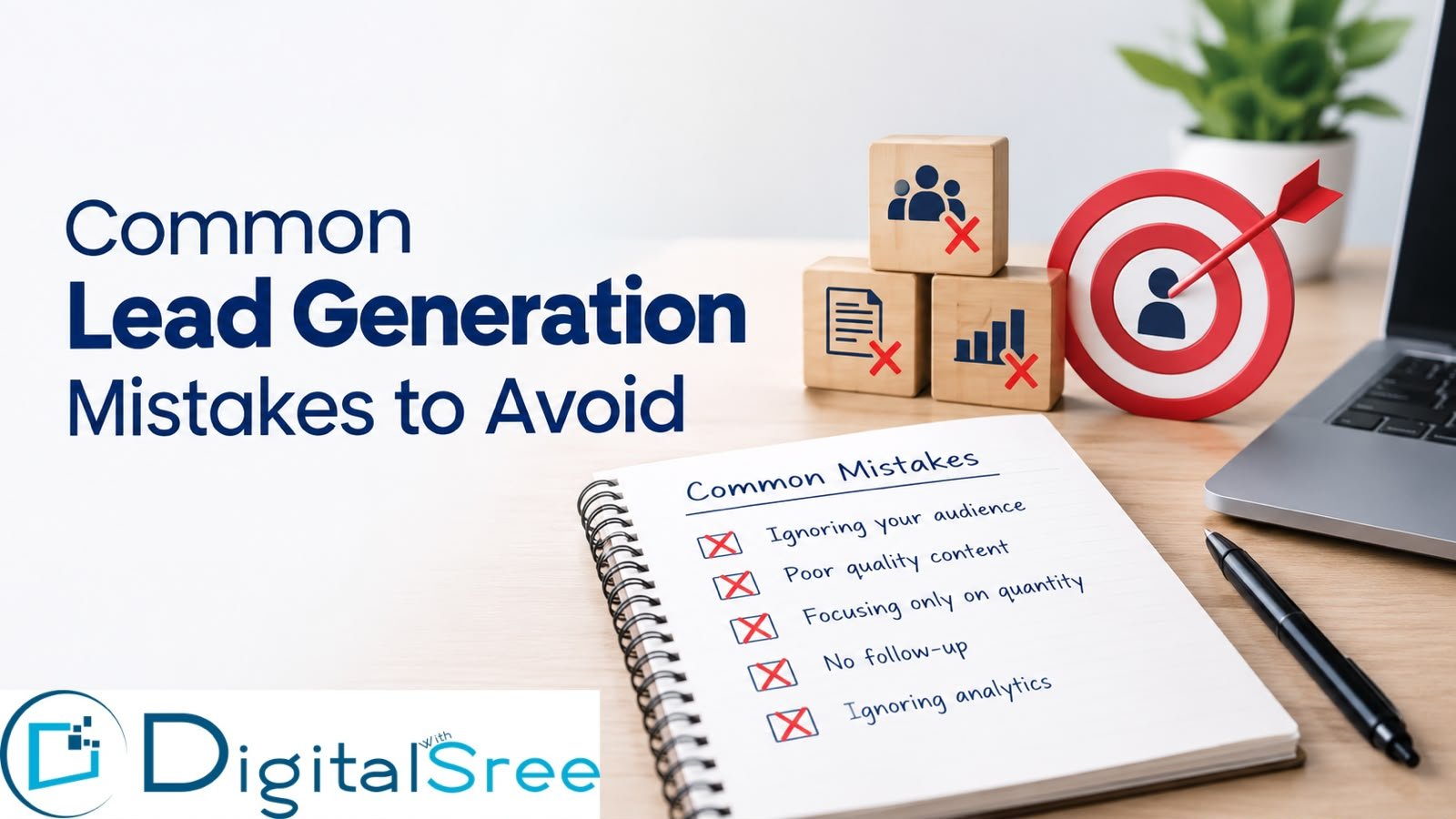
Lead generation is an important part of digital marketing, but many businesses make mistakes that prevent them from attracting quality leads. One common mistake is targeting the wrong audience, which can result in low engagement and fewer conversions. Businesses should understand their target audience’s needs, interests, and problems before creating marketing campaigns. Another mistake is using unclear calls to action (CTAs), which can confuse visitors and prevent them from taking the next step. A website should have clear instructions that encourage visitors to fill out a form, request a consultation, or contact the business.
Ignoring mobile users is another common problem because many people browse websites using their smartphones. Therefore, businesses should ensure that their websites and forms are mobile-friendly and easy to use. Some businesses also focus only on the number of leads instead of their quality, even though quality leads are more likely to become customers. Additionally, failing to follow up with potential customers can result in missed sales opportunities. Businesses should maintain regular communication through relevant emails or other preferred contact methods.
Finally, not tracking marketing performance makes it difficult to identify successful strategies. By monitoring metrics such as conversion rates, cost per lead, and lead quality, businesses can identify problems, improve their marketing campaigns, and generate better results.Another common lead generation mistake is failing to understand customer needs before creating marketing campaigns. Businesses should identify their target audience and provide relevant information that solves their problems. Using too many form fields can also discourage visitors from submitting their details. Therefore, businesses should keep forms simple and ask only for necessary information. Additionally, businesses should avoid sending too many promotional emails, as this may reduce customer interest. Instead, they should focus on sharing useful content and relevant offers. Regularly reviewing campaign performance and making improvements can help businesses attract quality leads and achieve better results.
lead generation is an important part of digital marketing, but businesses often make mistakes that affect their ability to attract potential customers. One of the most common mistakes is not understanding the target audience. Businesses need to identify their customers’ interests, needs, challenges, and preferences before creating marketing campaigns. Without proper audience research, even a well-designed campaign may fail to generate quality leads. Another common mistake is creating landing pages with unclear information and weak calls to action.
Visitors should easily understand the products or services offered and know what steps to take next. Businesses should also avoid asking for too much personal information through contact forms, as complicated forms may discourage visitors from submitting their details. another important mistake is focusing only on the number of leads rather than their quality. Generating hundreds of leads does not always guarantee better business results if those leads are not genuinely interested in the products or services. Businesses should focus on attracting relevant audiences who are more likely to become customers. Ignoring mobile users can also affect lead generation performance because many people use smartphones to browse websites and interact with online advertisements.
Therefore, websites, landing pages, and contact forms should be mobile-friendly and easy to navigate. In addition, businesses should avoid using misleading advertisements or making promises they cannot fulfil, as these practices can reduce customer trust and damage brand reputation. failing to follow up with potential customers is another mistake that can result in missed opportunities. When people express interest in a product or service, businesses should respond promptly and provide helpful information. Email marketing and personalised communication can help maintain customer interest and build long-term relationships. However, businesses should avoid sending excessive promotional messages that may annoy potential customers. It is also important to track marketing performance regularly. Metrics such as conversion rate, cost per lead, website traffic, and lead quality help businesses understand whether their campaigns are effective. Without proper tracking, it becomes difficult to identify weaknesses and improve marketing strategies. Businesses should also test different headlines, advertisements, landing pages, and calls to action to discover what works best for their audience. finally, businesses should understand that lead generation requires continuous improvement rather than a one-time effort.
Customer behaviour, market trends, and digital marketing platforms can change over time, so marketing strategies should be reviewed and updated regularly. By conducting audience research, creating valuable content, simplifying contact forms, improving website performance, and maintaining consistent communication, businesses can avoid common lead generation mistakes. A well-planned lead generation strategy helps attract suitable prospects, build customer trust, improve conversion opportunities, and support long-term business success.
How Can Businesses Generate More Leads?
1. Target the Right Audience
To effectively target the right audience for your business or campaign, you must first identify who benefits most from your product or service. Start by analyzing key demographic factors such as age, gender, location, language, and income level. Next, look into their psychographics and online behavior—including their interests, lifestyle, buying habits, and specific pain points. Creating a detailed Buyer Persona (an idealized profile of your customer) based on this data will serve as your guiding blueprint.
Leverage tools like Google Analytics, Meta Audience Insights, and SEO platforms (such as Semrush or Ahrefs) to gather real-world data about your website visitors and target market. When running paid campaigns on platforms like Google Ads or Social Media Ads, apply granular targeting settings—such as intent-based keywords, custom intent audiences, interest filters, and lookalike audiences. By constantly monitoring campaign performance and refining your parameters based on analytics, you ensure your marketing budget reaches high-intent prospects, maximizing conversions and return on investment (ROI).
2. Create Valuable Content
Publish blog posts, videos, checklists, guides, webinars, and case studies that answer customer questions. Helpful resources build trust and may encourage readers to contact the business.
3. Improve SEO and Use PPC
Integrating SEO and PPC into a unified search engine marketing strategy allows you to dominate search engine results pages (SERPs) while optimizing both immediate and long-term performance. By leveraging PPC for instant top-of-page visibility, rapid A/B testing of ad copy, and fast keyword data collection, you can quickly identify high-converting, high-intent search queries to target for SEO content optimization and backlink building. Conversely, as your SEO organic rankings strengthen and secure cost-effective, continuous organic traffic, you can strategically reallocate your PPC budget away from ranking organic keywords toward high-value competitive terms or retargeting campaigns. Ultimately, this dual presence maximizes SERP real estate, builds brand trust, and lowers overall cost-per-acquisition.
4. Use Clear Calls to Action
A CTA tells visitors what to do next—for example, “Download the Free Guide,” “Book a Consultation,” or “Request a Quote.” Make it easy to notice and relevant to the page.
5. Use an Integrated Strategy
SEO may attract a new visitor, content can build trust, email can maintain communication, and a landing page can encourage conversion. Connected channels make lead generation more consistent and measurable.
Conclusion
A lead is a person or business that has shown interest in a product or service. Lead generation helps businesses attract potential customers, build relationships, and guide them toward a purchase. SEO, content marketing, paid advertising, social media A lead is far more than just a set of contact details or a data point on a spreadsheet; it represents a real person who has demonstrated genuine interest in your brand, product, or service.
By leveraging structured lead generation tactics—such as optimized landing pages, strategic content creation, SEO, and targeted ad campaigns—you open the door to attracting high-intent potential customers who are actively seeking solutions that your business provides However capturing a lead is only the beginning of the journey. The true value lies in how effectively you nurture those prospects through the sales funnel. By implementing robust qualification processes (like lead scoring) and maintaining consistent, personalized communication, you build trust and guide prospects from initial curiosity to full commitment. When your marketing and sales efforts work in harmony to address prospect pain points, cold leads transform into high-value, paying customers and long-term brand advocates.
For anyone starting out in marketing, the key takeaway is simple: quality always triumphs over quantity. Focus on attracting the right audience, delivering meaningful value at every touchpoint, and continuously optimizing your lead generation workflows based on performance data. By mastering the art of lead management today, you build a sustainable, scalable growth engine for your business tomorrow.Ultimately, lead management is not a one-time setup, but a continuous cycle of testing, analyzing data, and optimizing your strategies.
By understanding who your audience is, delivering authentic value at every digital touchpoint, and treating every lead as a long-term relationship rather than a one-time transaction, you set up a scalable, future-proof growth engine for any business.
FAQ
1.Why is lead generation important for businesses?
Lead generation is essential for business growth and consistent revenue because it connects you directly with people who are genuinely interested in your products or services. Instead of wasting time and money on broad advertising, it allows you to target ideal customers, lower acquisition costs, and build a predictable sales pipeline that scales your business efficiently.
2.What is a lead in marketing?
Lead marketing (often referred to as lead generation) is a strategic digital marketing process focused on attracting, capturing, and converting prospective customers into potential buyers who have shown explicit interest in a company’s products or services. Rather than immediately trying to make a direct sale, this approach uses targeted content, valuable lead magnets (like free guides, webinars, or discount codes), and landing pages to collect contact information—such as email addresses or phone numbers. Once qualified, these leads are nurtured through personalized email sequences, automated marketing campaigns, and targeted ads to build trust, guide them through the sales funnel, and ultimately transform them into paying, loyal customers.
3.What is an integrated digital marketing strategy?
An integrated digital marketing strategy combines all online channels—like SEO, social media, email, and paid ads—into one cohesive campaign. By sharing consistent messaging and data across all platforms, it creates a seamless customer experience and maximizes overall conversions.
4.How does digital marketing strategy help lead generation ?
Lead generation connects you directly with potential customers to drive sales, lower marketing costs, and ensure consistent business growth.
6.How can small businesses start generating quality leads on a budget?
Focus on optimizing your Google Business Profile for local search, post consistent, value-driven content on social media, run ultra-targeted, low-budget Meta Lead Ads, and leverage word-of-mouth through referral discounts from existing customers.