
What is an Embedded PC: Compact Solutions for Industrial and Smart Applications:
The embedded computer is a small specially-designed computer built to fulfill a specific function within a larger. In contrast to regular desktop computers, embedded PCs are designed for specific functions like managing devices, monitoring processes or directing devices in real-time.
These systems are typically used in transportation, manufacturing, healthcare and automation. The embedded PCs are developed to be durable, energy efficient and able to operate in extreme environments.
The embedded PC can be described as a compact robust computer that is designed to perform a particular purpose within a larger system.
What is an embedded pc
The embedded computer is a computer system that is integrated into machines, devices, or industrial configurations to manage, monitor or automate processes. It usually runs software that is specialized and operates with minimal human involvement.
What is an Embedded PC: Key Capabilities and Functions
An embedded PC is a special computing device designed to carry out specific tasks in industrial equipment, machines as well as smart phones. Its capabilities are based on durability in terms of reliability, reliability, and long-term performance. This makes it the ideal choice for environments that require a high level of reliability.
Compact and Rugged Design
One of the major advantages of embedded PCs can be its efficiency in design. It requires much less power than conventional computers, which can help lower operating costs, and is perfect as a constant operating system.
High Reliability
Embedded PCs are engineered to provide continuous, long-term performance. With features such as solid-state components and fanless cooling to reduce mechanical breakdowns and ensure stable performance in crucial applications like automation and monitoring systems.
Wide Temperature Support
They are built to work in extreme temperatures that range from extremely high to low temperatures. This makes them suitable for transportation, manufacturing, and outdoor applications in which temperature fluctuations are normal.
What is an Embedded PC and Its Applications
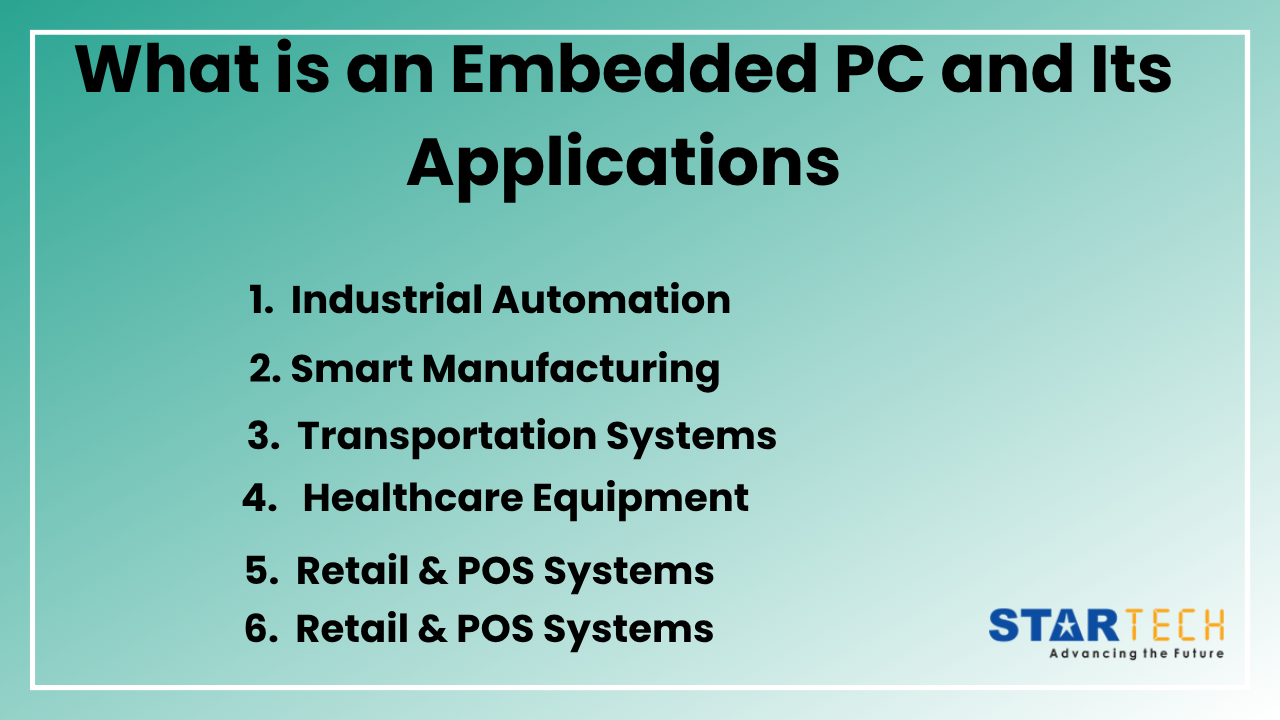
An embedded PC is a small computer that is specifically built to carry out specific tasks within the larger system. In contrast to general-purpose computers, it is designed for high performance, reliability and constant operation that makes it perfect for smart technology and industrial environments.
Industrial Automation
Embedded PCs are extensively utilized to monitor and control machines, production lines and robots. They can improve efficiency, cut down time and allow real-time data processing in factories.
Smart Manufacturing
In the modern smart factory embedded PCs play an important part within the Industrial Internet of Things (IIoT). They gather and analyze the data gathered by sensors, which allows for the use of predictive maintenance and process optimization and smart decision-making.
Transportation Systems
The embedded PCs are employed for the railway operation, systems for managing traffic and tracking of fleets. They provide continuous communication, real-time monitoring, and increased security across transportation networks.
Healthcare Equipment
Medical devices, such as monitors for patients and imaging machines as well as diagnostic equipment depend on embedded computers to ensure accurate data processing and performance in demanding conditions.
Retail & POS Systems
In retail settings embedded computers provide power to points-of-sale (POS) devices as well as digital kiosks and inventory management systems. They facilitate smooth transactions as well as real-time tracking of stock.
Smart Cities and IoT
PCs embedded with embedded processors are vital for smart urban infrastructure that includes security devices, intelligent lighting and monitoring of the environment. They facilitate the seamless collection of data and communications between connected devices.
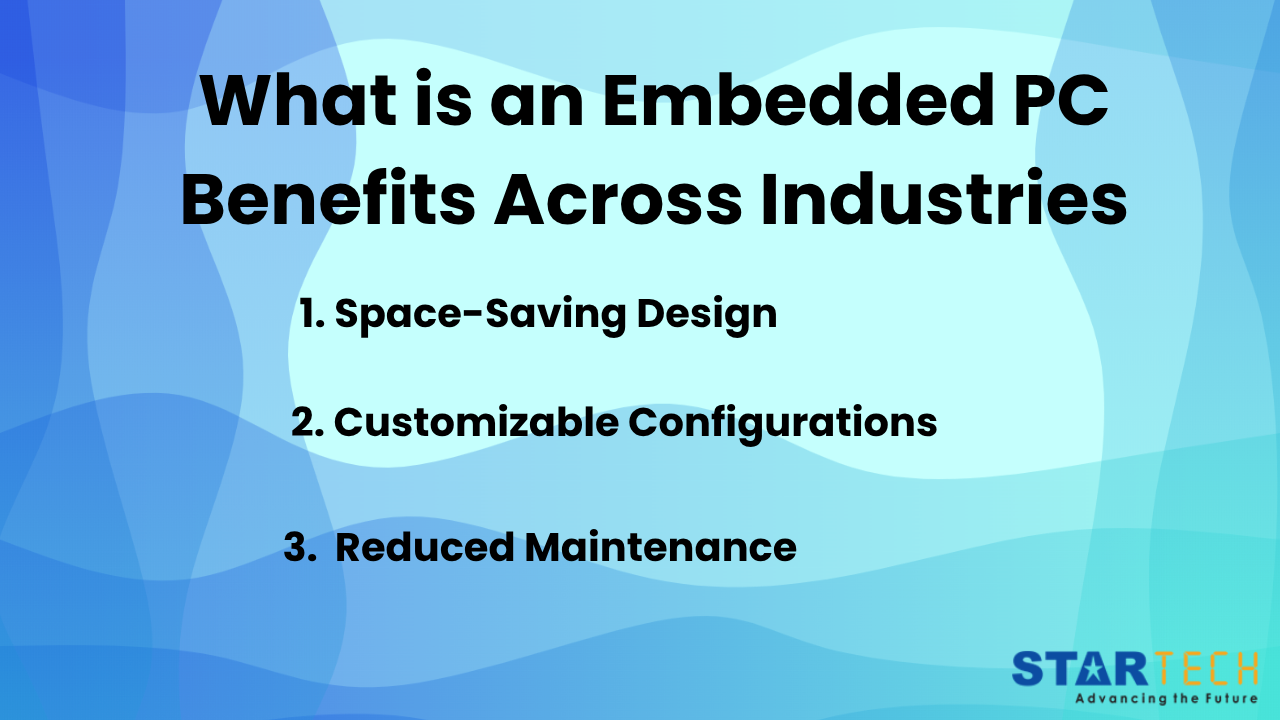
What is an Embedded PC Benefits Across Industries
An embedded PC is a small dedicated computing device that is specifically designed to perform specific tasks in commercial, industrial, and intelligent applications. Its design and function have several advantages which make it extremely valuable across a variety of industries.
Space-Saving Design
Contrary to conventional PCs embedded systems are designed to support longer life-cycles of the product. Manufacturers offer long-term availability as well as assistance, which ensures constant performance and reliability without frequent hardware upgrades, which is essential for industrial processes.
Customizable Configurations
The systems can be customized to meet specific needs that include processor type memory, storage along with connectivity alternatives. This flexibility lets businesses develop solutions that meet their needs for operation.
Reduced Maintenance
With the use of fanless designs or solid-state elements embedded PCs are able to are less prone to damage and wear. This leads to lower costs for maintenance as well as fewer breakdowns and longer system life.
What is an Embedded PC and How to Choose the Right One
An embedded PC is a small built computer specifically that is designed to accomplish specific tasks within industrial systems, machines or other smart applications. The selection of the appropriate embedded PC is vital for ensuring optimal performance as well as reliability and long-term performance.
Performance Requirements' Here
Begin by evaluating your processor power required for your project. Think about factors like RAM, CPU storage, and CPU. For instance, simple monitoring tasks might require minimal configurations, whereas AI or automated systems or real-time analytics need greater performance.
Environmental Conditions
Examine the area in which the embedded PC is operating. If it is operating in difficult conditions (extreme temperatures or vibrations, dust, or even moisture) select a robust fanless, non-fanless system that has an extensive operating temperature range and industrial-grade security.
I/O Requirements
I/O (Input/Output) specifications are the kinds and the number of ports as well as interfaces or connectivity alternatives embedded PCs need to connect with other devices, such as sensors or machines, networks and displays.
Mounting Options
Embedded PCs have a variety of mounting options, including DIN-rail, wall-mount panel-mount as well as VESA mounting. Choose one that is a perfect fit to your existing configuration as well as your control cabinet.
Budget Considerations
Be sure to balance your technical needs in line with the budget you have set. Although high-end equipment comes with advanced features, it’s crucial to select a system that offers efficiency and value without the need for unnecessary extras.
What is an Embedded PC and Upcoming Technology Trends
An embedded PC is a small computer system that is designed to work reliably in smart devices, industrial machines and other automated environments. As technology advances embedded PCs are becoming more sophisticated and efficient that are driving innovation across different sectors.
Edge Computing Integration
Embedded computers are increasingly employed to perform Edge computing in which data processing is closer to the source instead of relying on cloud-based systems that are centralized. This reduces latency, improves response time, and enhances real-time decision-making–especially in industrial automation and smart systems.
AI-Enabled Embedded Systems
Modern embedded computers integrate AI (AI) capabilities. They are able to perform tasks such as the recognition of images, predictive maintenance or data processing directly on the device, eliminating the need for cloud-based processing and providing quicker analysis.
IoT Expansion
With the rapid expansion in the Internet of Things (IoT), embedded PCs are the main controllers and gateways to connect devices. They facilitate seamless communications, data collection and control across factories, smart homes and cities.
5G Connectivity
The introduction of 5G technology has transformed embedded systems through the provision of super-fast data transmission with low latency and secure connectivity. This allows for advanced applications like automated vehicles and remote surveillance as well as real-time control of industrial processes.
What is an Embedded PC: Exploring Different Types
An embedded PC is a small computer specifically built to accomplish specific tasks in commercial, industrial as well as smart systems. Based on the specific nature of the application and the environment embedded PCs are available in a variety of models, each optimized for specific applications.
Fanless Embedded PCs
Fanless embedded PCs use passive cooling (heatsinks instead of fans) to dissipate heat.Fanless Embedded PCs are small industrial computers built to function without cooling fans and use the passive method of dissipating heat instead. This design doesn’t have moving parts, which makes them extremely reliable, quiet and impervious to vibration, dust, and extreme conditions in the environment. They are extensively used for industrial automation IoT technologies, the transportation industry and smart infrastructures where 24/7 operation is essential
Industrial Embedded PCs
Built for rugged industrial environments with enhanced durability Industrial Embedded PCs are robust computer systems that are designed to provide robust operation even in extreme industrial conditions. Contrary to conventional computers, these are built with sturdy components to stand up to extreme temperatures, dust and even vibration. These computers are typically employed in manufacturing, industrial automation transportation, energy and IoT applications in which continuous, real-time performance is essential.
Edge AI Embedded Systems
Edge AI embedded PCs combine embedded computing with artificial intelligence capabilitiesEdge AI Embedded Systems are compact computing devices that integrate embedded hardware and artificial intelligence capabilities that process data locally on”the “edge” of a network.
DIN-Rail Mounted Embedded PCs
These embedded PCs are designed to be mounted on DIN rails, commonly used in industrial control panelsDIN-Rail Mounted PCs are industrial computers compact enough to easily be mounted in standard DIN rails in control cabinets and electrical cabinets. This method of mounting is based on the DIN rail design, permits easy installation, organized layouts and efficient use of space in industrial settings.
Conclusion
An embedded PC is a powerful and small computing solution that is specifically designed to handle specific tasks that require high efficiency, reliability as well as longevity. Contrary to conventional computer systems, this model is designed to work seamlessly with the systems and machines, usually in challenging environments.
from manufacturing automation to intelligent manufacturing to transportation, healthcare, and IoT-related applications such as healthcare, transportation, and IoT embedded PCs play a crucial function in enabling technology of the future. The advantages they offer, such as robust design and lower power usage, a variety of I/O In the end, embedded PCs are essential to the current technology, allowing for intelligent automated, connected and automated systems. Their endurance, capacity and longevity makes them the ideal choice for businesses looking for reliable computing solutions for commercial and industrial applications.
FAQ
1.What is an embedded PC used for?
An embedded PC is a device used to carry out specific computation tasks within a bigger system particularly in situations that require high reliability, real-time processing and constant operations.
2. Is an embedded PC different from a regular computer?
Embedded computers are a bit different from regular computers principally in its use design, style, and.
3. Can embedded PCs run Windows or Linux?
Embedded PCs can run both Windows and Linux—and this flexibility is one of their biggest advantage
4. Are embedded PCs suitable for industrial environments?
embedded PCs have been specifically created for industrial settings which makes them suitable for the most demanding of applications.
5. How long do embedded PCs last?
Ans: Embedded PCs are designed to last and provide reliability.